
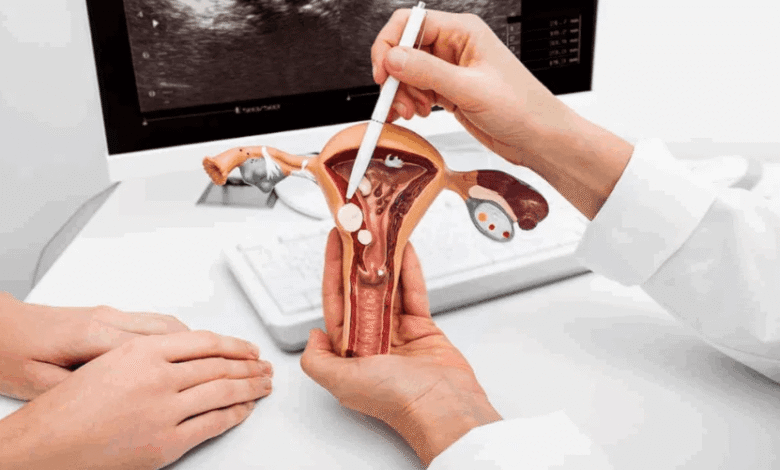
Starting a family is one of life’s most exciting milestones, but the journey to pregnancy can sometimes take longer than expected. Many individuals and couples are now exploring alternative fertility options that provide comfort, privacy, and convenience. Resources such as MakeAmom have helped many people learn more about conception methods, ovulation tracking, and at-home insemination solutions. Understanding how fertility works can significantly improve your chances of achieving a successful pregnancy.
Understanding the Conception Process
Conception occurs when a sperm fertilizes an egg, creating an embryo that can implant in the uterus. Although the process sounds straightforward, several factors influence fertility, including age, reproductive health, hormone balance, and timing.
For pregnancy to occur, sperm must meet an egg during the fertile window. This makes understanding ovulation one of the most important aspects of family planning.


Why Ovulation Tracking Is Important
Ovulation is the release of a mature egg from the ovary. Since the egg remains viable for only about 12 to 24 hours, timing is critical.
Several methods can help identify ovulation:
Ovulation Predictor Kits
These kits detect hormonal changes that occur before ovulation and can help identify the most fertile days.
Basal Body Temperature
Tracking your temperature every morning may reveal patterns that indicate ovulation.
Cervical Mucus Monitoring
Many people notice changes in cervical mucus during their fertile window. Clear, stretchy mucus often signals peak fertility.
Fertility Apps
Digital tracking tools can help predict ovulation and organize fertility data over time.
Benefits of At-Home Insemination
At-home insemination has become increasingly popular among individuals and couples seeking greater privacy and flexibility.
Benefits may include:
Increased comfort
Lower costs compared to some clinical procedures
Flexible scheduling
Greater privacy
Reduced stress during conception attempts
For many people, at-home insemination provides an accessible way to support their fertility goals.
Understanding ICI
Intracervical insemination (ICI) is one of the most common at-home insemination methods. During the procedure, sperm is placed near the cervix, allowing it to travel naturally through the reproductive tract.
Many individuals choose ICI because it closely resembles natural conception while providing more control over timing. Success often depends on proper ovulation tracking and accurate timing during the fertile window.
Healthy Lifestyle Habits That Support Fertility
While fertility treatments and conception methods can help, lifestyle choices also play a major role.
Eat a Balanced Diet
A nutrient-rich diet supports hormone production and reproductive health. Focus on:
Fruits and vegetables
Whole grains
Lean proteins
Healthy fats
Adequate hydration
Maintain a Healthy Weight
Both underweight and overweight individuals may experience hormonal imbalances that affect fertility.
Exercise Regularly
Moderate physical activity supports overall wellness and hormone regulation.
Manage Stress
Trying to conceive can be emotionally challenging. Activities such as yoga, meditation, and mindfulness may help reduce stress levels.
Prioritize Sleep
Quality sleep supports hormone balance and overall reproductive health.
Male Fertility Considerations
Successful conception depends on both partners. Male fertility factors such as sperm count, motility, and morphology can significantly impact pregnancy outcomes.
Men can support reproductive health by:
Maintaining a healthy weight
Eating nutritious foods
Avoiding smoking
Limiting alcohol consumption
Reducing exposure to excessive heat and environmental toxins
See also: Improving Your Financial Health With Bookkeeping 8135194325
Common Fertility Myths
Myth 1: Pregnancy Happens Immediately
Even healthy couples may take several months to conceive naturally.
Myth 2: Everyone Ovulates on Day 14
Ovulation timing varies from person to person and even from cycle to cycle.
Myth 3: Fertility Problems Only Affect Women
Male fertility factors contribute to a significant percentage of conception challenges.
Myth 4: Stress Has No Impact
Although stress does not directly cause infertility, it can affect reproductive hormones and cycle regularity.
Preparing for Pregnancy
Taking steps before conception may improve outcomes for both parent and baby.
Schedule a Preconception Checkup
A healthcare provider can evaluate overall health and identify potential concerns.
Start Prenatal Vitamins
Folic acid and other nutrients support healthy fetal development.
Review Medications
Some medications may affect fertility or pregnancy and should be discussed with a healthcare professional.
Track Your Cycle
Understanding your cycle helps identify the most fertile days each month.
When to Seek Professional Help
You may benefit from consulting a fertility specialist if:
You are under 35 and have been trying for over one year.
You are over 35 and have been trying for six months.
You have irregular cycles.
You have known fertility concerns.
You have experienced multiple pregnancy losses.
Professional guidance can help identify underlying issues and provide personalized treatment options.
Conclusion
The path to parenthood is different for everyone, but understanding fertility, tracking ovulation, and adopting healthy lifestyle habits can significantly improve your chances of success. Whether you are exploring natural conception methods or considering at-home insemination, education and preparation are valuable tools throughout the process. For those seeking additional fertility support and reliable reproductive solutions, makeamom.com for low sperm count may be a useful option to consider as part of your family-building journey.