
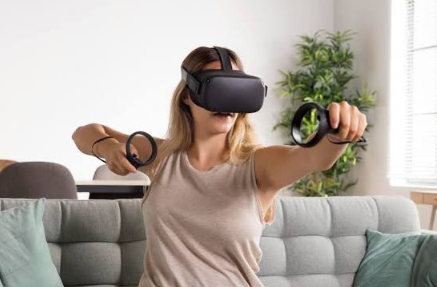
Mixed reality (MR) is rapidly changing how people interact with technology. Unlike traditional virtual reality, which places users in a completely digital world, mixed reality blends virtual objects with the real environment. This allows users to interact with both physical and digital elements at the same time, creating a more natural and engaging experience. As the popularity of immersive technology continues to grow, many people are exploring platforms like VRpy a to learn about the latest developments in virtual reality, immersive entertainment, and advanced VR experiences.
What Is Mixed Reality?
Mixed reality is a technology that combines the physical and digital worlds. Using advanced cameras, sensors, artificial intelligence, and spatial mapping, MR devices understand the user’s surroundings and place digital content where it naturally belongs. Unlike augmented reality, where digital images simply appear on a screen, mixed reality allows virtual objects to stay fixed in space and react to real-world surfaces and movements.
For example, a virtual chair can remain in the same place as you walk around it, or a digital assistant can stand on your desk and interact with your environment. This realistic interaction makes mixed reality far more immersive than many traditional digital experiences.

Making Education More Interactive
One of the greatest advantages of mixed reality is its ability to improve learning. Students often understand concepts better when they can see and interact with them instead of only reading about them.
Science lessons become exciting when learners examine a 3D model of the human body or explore the planets in a virtual solar system. History classes become more engaging by allowing students to visit ancient cities through immersive simulations. Engineering students can assemble virtual machines, while medical students practice procedures without any risk to patients.
Because mixed reality encourages active participation, it helps improve concentration, memory, and problem-solving skills.
See also: The Uses of ыиукшв in Daily Life
Transforming the Workplace
Businesses are finding practical uses for mixed reality across many industries. Engineers can inspect digital models before manufacturing begins, architects can walk through buildings before construction starts, and designers can make real-time adjustments to products while working with colleagues from different locations.
Maintenance technicians also benefit from MR technology. Instead of reading complicated manuals, they receive step-by-step instructions displayed directly in front of them while working. This reduces mistakes, shortens repair times, and improves productivity.
Remote teams can collaborate inside shared virtual workspaces where everyone interacts with the same digital objects, making communication much more effective than standard video calls.
Better Entertainment Experiences
Entertainment is another area where mixed reality shines. Traditional gaming keeps players looking at a television or computer monitor, but MR places digital characters and objects directly into the user’s surroundings.
Imagine playing a game where virtual creatures run across your living room or solving puzzles that interact with your furniture. Movies and sporting events can also be enjoyed on massive virtual screens without requiring expensive home theater equipment.
Mixed reality also supports immersive storytelling by allowing viewers to become part of the experience rather than simply watching from the outside.
Improving Online Shopping
Shopping online can sometimes be difficult because customers cannot physically examine products before purchasing them. Mixed reality helps solve this problem by allowing users to place virtual products inside their homes.
Furniture buyers can see how a sofa fits in their living room before ordering. Homeowners can test different paint colors without touching a brush. Fashion retailers offer virtual try-on features for glasses, shoes, clothing, and accessories.
These realistic previews help customers make better buying decisions while reducing product returns.
Supporting Healthcare
Healthcare professionals continue finding valuable applications for mixed reality. Doctors can examine detailed three-dimensional medical scans before performing surgery, helping them plan procedures more accurately.
Hospitals also use MR during rehabilitation programs. Patients recovering from injuries participate in interactive exercises that feel more enjoyable than traditional physical therapy. Medical students gain hands-on experience by practicing procedures in realistic virtual environments before working with actual patients.
Enhancing Fitness and Wellness
Mixed reality is making exercise more enjoyable by transforming ordinary workouts into interactive experiences. Instead of following repetitive routines, users can participate in virtual fitness classes where digital coaches provide real-time guidance and feedback. Some applications even create immersive environments that make indoor workouts feel like hiking through forests, cycling across mountains, or running along a beach.
This level of engagement helps people stay motivated and consistent with their fitness goals. Trainers can also monitor performance more effectively by analyzing movement and posture, allowing users to improve their technique while reducing the risk of injury.
Smarter Home Living
Smart homes become even more useful when combined with mixed reality. Homeowners can control lighting, security cameras, and household appliances using simple gestures or voice commands while viewing helpful digital information in their surroundings.
For example, a homeowner can see energy usage displayed near appliances or receive maintenance reminders attached to specific equipment. Interior design also becomes easier because people can preview furniture layouts, decorations, and renovation ideas before making expensive purchases.
These practical applications save time, reduce unnecessary spending, and make home management more convenient.
Improving Communication
Communication is evolving beyond text messages and video calls. Mixed reality allows people to interact in shared digital spaces where conversations feel more natural and engaging.
Families separated by long distances can enjoy virtual gatherings, celebrate birthdays, or play interactive games together. Businesses can organize meetings where participants work with the same virtual models instead of sharing static presentations. Teachers can guide students through immersive lessons that encourage collaboration regardless of location.
These experiences create stronger personal and professional connections.
Travel and Tourism
Mixed reality is also changing the way people explore the world. Travelers can access real-time information about landmarks, museums, and historical sites while walking through unfamiliar cities. Digital guides can display translations, navigation instructions, and cultural facts directly within the user’s field of view.
People planning vacations can even preview destinations before booking, helping them make informed travel decisions. Virtual tourism also allows individuals who cannot travel physically to experience famous attractions from the comfort of their homes.
Challenges to Consider
Although mixed reality offers many advantages, it still faces several challenges. High-quality headsets remain expensive for many consumers, and some devices require powerful hardware to deliver smooth performance.
Privacy is another important concern because MR systems use cameras and sensors to understand the surrounding environment. Developers must continue improving security measures to protect personal information while providing safe and reliable experiences.
Comfort is also improving as manufacturers create lighter headsets with better battery life and more natural controls.
The Future of Mixed Reality
The future of mixed reality looks extremely promising. As technology continues advancing, devices will become lighter, faster, and more affordable. Artificial intelligence will improve object recognition and voice interaction, while faster internet connections will enable seamless cloud-powered experiences.
Industries such as education, healthcare, manufacturing, entertainment, retail, and architecture are expected to adopt mixed reality on an even larger scale. As software becomes more sophisticated, everyday users will discover countless new ways to learn, work, communicate, and enjoy digital content.
Conclusion
Mixed reality is no longer a futuristic concept—it is becoming an important part of everyday life. From education and healthcare to entertainment, shopping, fitness, and workplace collaboration, this technology offers practical benefits that improve productivity, creativity, and convenience. As hardware and software continue to evolve, mixed reality will become more accessible and valuable for people around the world.
Whether you are interested in immersive technology, interactive entertainment, or the latest virtual reality innovations, platforms like VRpy provide useful insights into the rapidly growing world of VR and mixed reality. As adoption continues to increase, mixed reality is set to transform the way we experience both the digital and physical worlds.